It’s not a coincidence you’ve seen photos of a sex model standing beside an F1 driver at a race weekend. You’ve seen it on Instagram, in magazine spreads, even in behind-the-scenes clips. But why does this happen? It’s not just about glamour. It’s about branding, timing, and the unspoken economy of high-stakes motorsport.
The Race Weekend Ecosystem
Formula 1 isn’t just a race. It’s a five-day event packed with sponsor activations, media shoots, parties, and exclusive VIP zones. Teams don’t just bring drivers-they bring entire entourages. PR teams, engineers, sponsors, and yes, models. These aren’t random people. They’re hired for their ability to draw attention, generate social buzz, and make sponsors look powerful.
Think of it this way: when a luxury car brand like Rolex or Pirelli sponsors a team, they don’t just want logos on the car. They want people to associate their name with excitement, speed, and allure. A sex model in a sleek outfit next to a champion driver does that better than any billboard. The visual contrast-raw athleticism meets polished allure-creates a narrative that sticks.
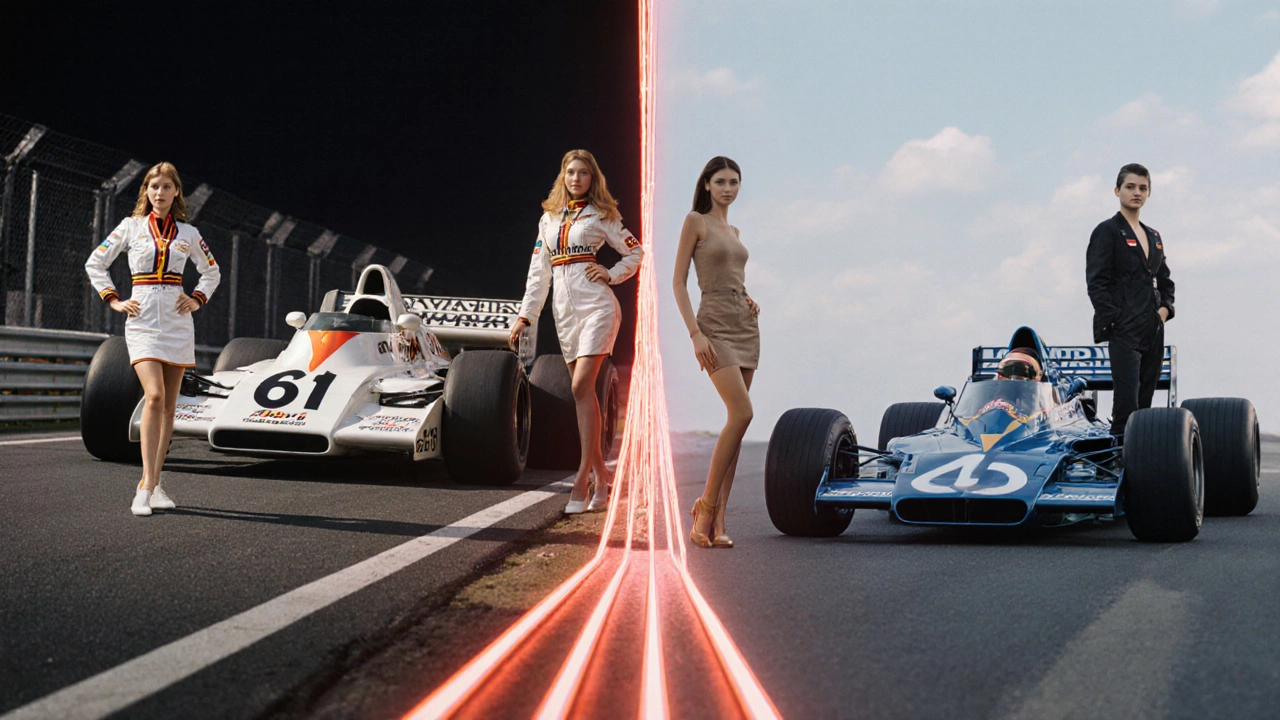
It’s not new. In the 1980s, F1 had the infamous ‘grid girls’-women who stood beside cars before the race. They were removed in 2018 after criticism, but the underlying dynamic didn’t disappear. It just evolved. Now, instead of official grid girls, you get hired models at after-parties, sponsor lounges, or photo ops. The same role, different branding.
Who Are These Models?
Many of the women you see near F1 drivers aren’t just random influencers. They’re professionals with portfolios, agencies, and contracts. Some come from modeling backgrounds. Others have built followings on platforms like Instagram by blending fitness, fashion, and lifestyle content. A few even have ties to the escort industry, which is where things get murky.
There’s a line between public appearances and private arrangements. Some models attend events as part of paid partnerships. Others are invited by drivers or team owners personally. And yes-some connections go beyond the event. The line between professional and personal blurs quickly in this world.
If you’re curious about how some of these individuals operate outside the track, you can learn more about how the industry functions through this sexmodel network, or explore the broader scene through this sex model platform.
Why F1 Drivers? Why Not Other Sports?
Why do you rarely see this in the NFL or NBA? F1 is different. It’s global, elite, and deeply tied to luxury. A Formula 1 driver isn’t just an athlete-they’re a celebrity with a multi-million-dollar personal brand. Their sponsors include Swiss watches, Italian sports cars, and high-end champagne. The image they project matters more than in most sports.
Also, F1 events happen in glamorous locations: Monaco, Miami, Singapore, Abu Dhabi. These aren’t just races-they’re social scenes. The parties are private. The guest lists are curated. The models? They’re part of the atmosphere. They’re not there to compete. They’re there to complete the scene.
Compare that to soccer. A Premier League player might be photographed with a girlfriend or a celebrity, but you won’t see a hired model posing with him at a matchday brunch. Why? Because the culture doesn’t demand it. F1 does.
The Money Behind the Scenes
It’s not cheap to have a model at a race. Agencies charge anywhere from $5,000 to $25,000 per appearance, depending on the model’s reach and the event’s scale. Some drivers pay out of pocket. Others have their sponsors cover it. In return, the model gets exposure-hundreds of thousands of Instagram likes, features in magazines, and sometimes, long-term partnerships.
One model we spoke to (who asked to remain anonymous) said she was hired for three F1 events last year. She didn’t know the drivers personally. She didn’t have to. Her job was to look good in photos, smile for cameras, and post content with the team’s hashtag. She made more than $60,000 in three months just from those appearances.
It’s a business. And like any business, it thrives on visibility.
Is It Exploitative?
Some people call it objectification. Others call it empowerment. The truth? It’s both. Some women enter this world because they want the money, the travel, the freedom. Others feel pressured, used, or invisible after the event ends.
There’s no regulation. No union. No official policy from the FIA. It’s all handled privately. That’s why the same faces keep showing up-because they’re reliable. Because they know how to behave. Because they understand the unspoken rules.
There’s no shame in choosing this path. But there’s also no safety net if things go wrong. That’s why transparency matters. And why more people need to ask: who benefits here? And who’s really in control?
What’s Changing?
Younger fans are pushing back. Social media has made people more aware. Posts calling out the exploitation of women in motorsport go viral. Teams are starting to rethink their strategies. Some now hire female engineers or former drivers as brand ambassadors instead.
But change is slow. The allure of the model-driver combo is still strong. Sponsors still love it. Drivers still enjoy the attention. And the industry still profits from it.
Maybe the future won’t have models standing beside cars. But it will still have people-women and men-working behind the scenes to make F1 look as exciting as it feels.